Stories and History From Santa Cruz to Watsonville
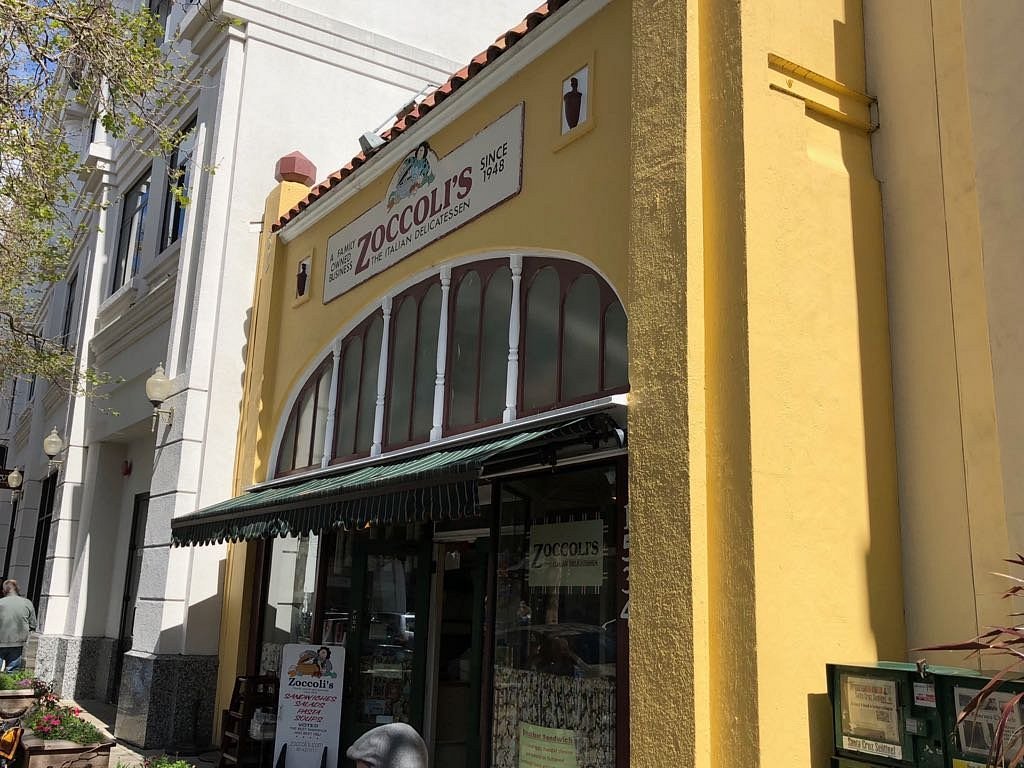
1534 Pacific Ave. Santa Cruz, CA 1870s (Remodeled 1920s) Everyone’s favorite Santa Cruz deli, Zoccoli’s Deli! Constructed in the late 1870s, the building had many different iterations before the building you see today. Once a saloon and a tailor shop, later a billiards parlor, it was owned by Hugo Hunh who was the brother of prominent Santa Cruzan, Frederick A. Hihn (who altered the originally spelling of their last name). The 1894 fire burned most of the block but spared this building and by 1929, the Plaza Grocery Store operated here. By 1948, Robert and Augusta Zoccoli bought the property and eventually transformed it into Zoccoli’s Delicatessen. This building survived the 1989 Loma Prieta Earthquake and continues to be a favorite lunch destination in Santa Cruz.
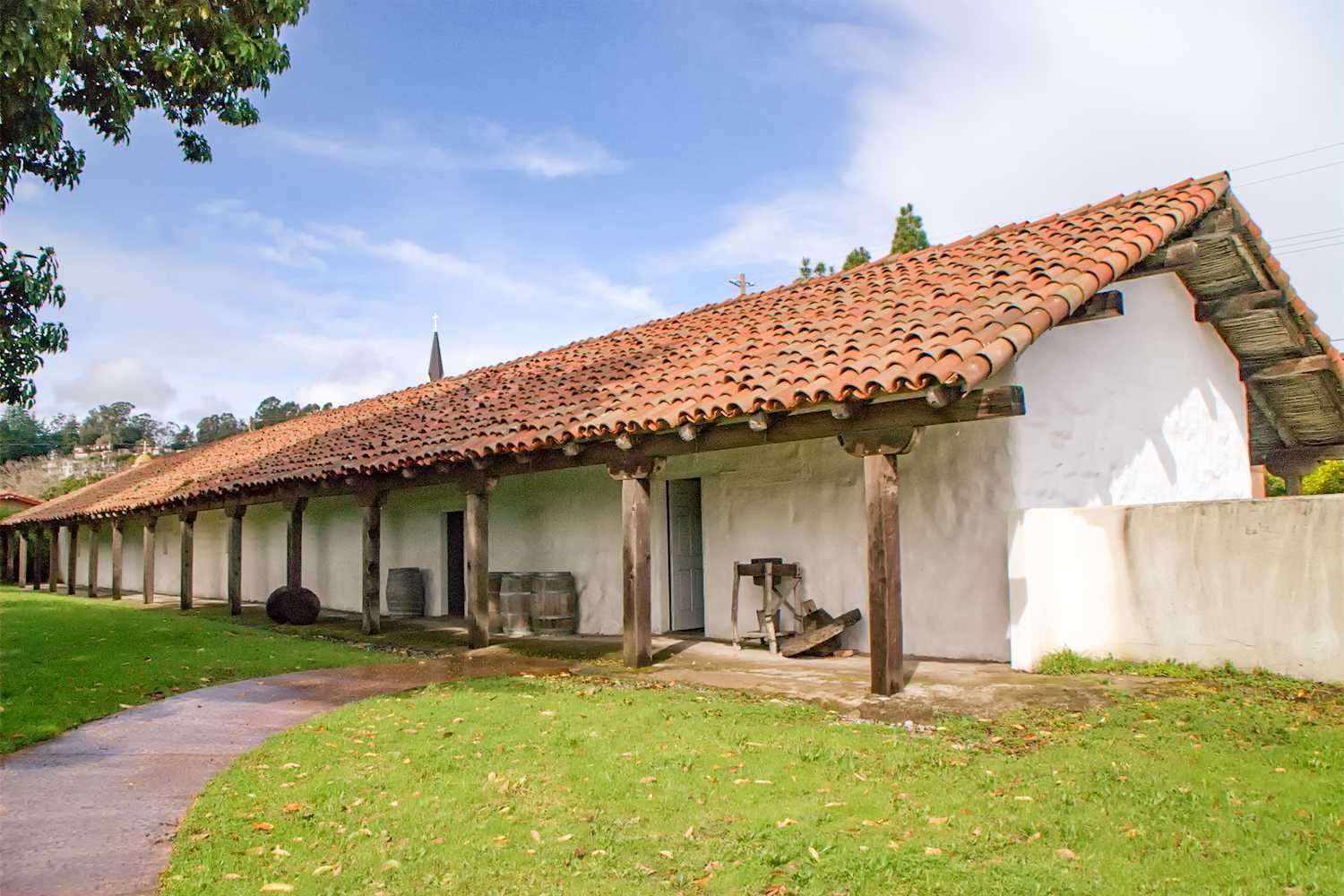
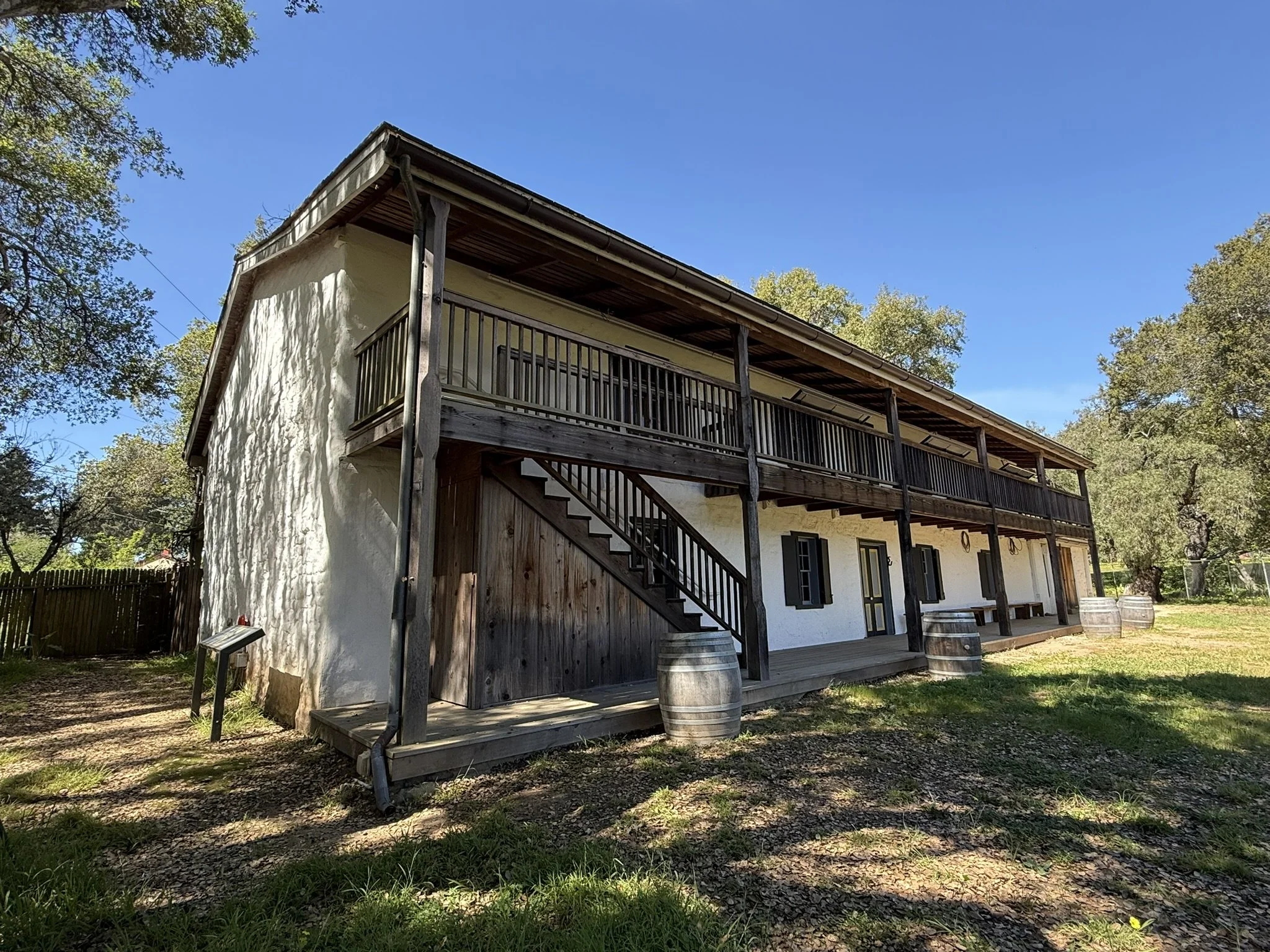
144 School Street, Santa Cruz 1822-1824 Built between 1822-1824, the adobe building at 144 School Street is the only remaining building left of Mission Santa Cruz, founded in 1791. The oldest building in Santa Cruz County, the adobe was originally constructed as a 17-room building and was used to house Native workers and their families at the mission. Later, it was occupied by the Rodriguez and Armas families and the Neary family. Cornelia Hopcroft, a Rodriguez decedent, lived in the building until 1983! In the 1980s, the site underwent extensive research, archaeological excavation and restoration. In October 1991, the restored building and site were formally dedicated and opened as the Santa Cruz Mission State Historic Park. The park and museum interprets the story of the mission through the lens of the Ohlone and Yokuts peoples. Today the State Park is open Thursday through Saturday from 10 a.m. to 4 p.m. Admission is free but donations accepted.
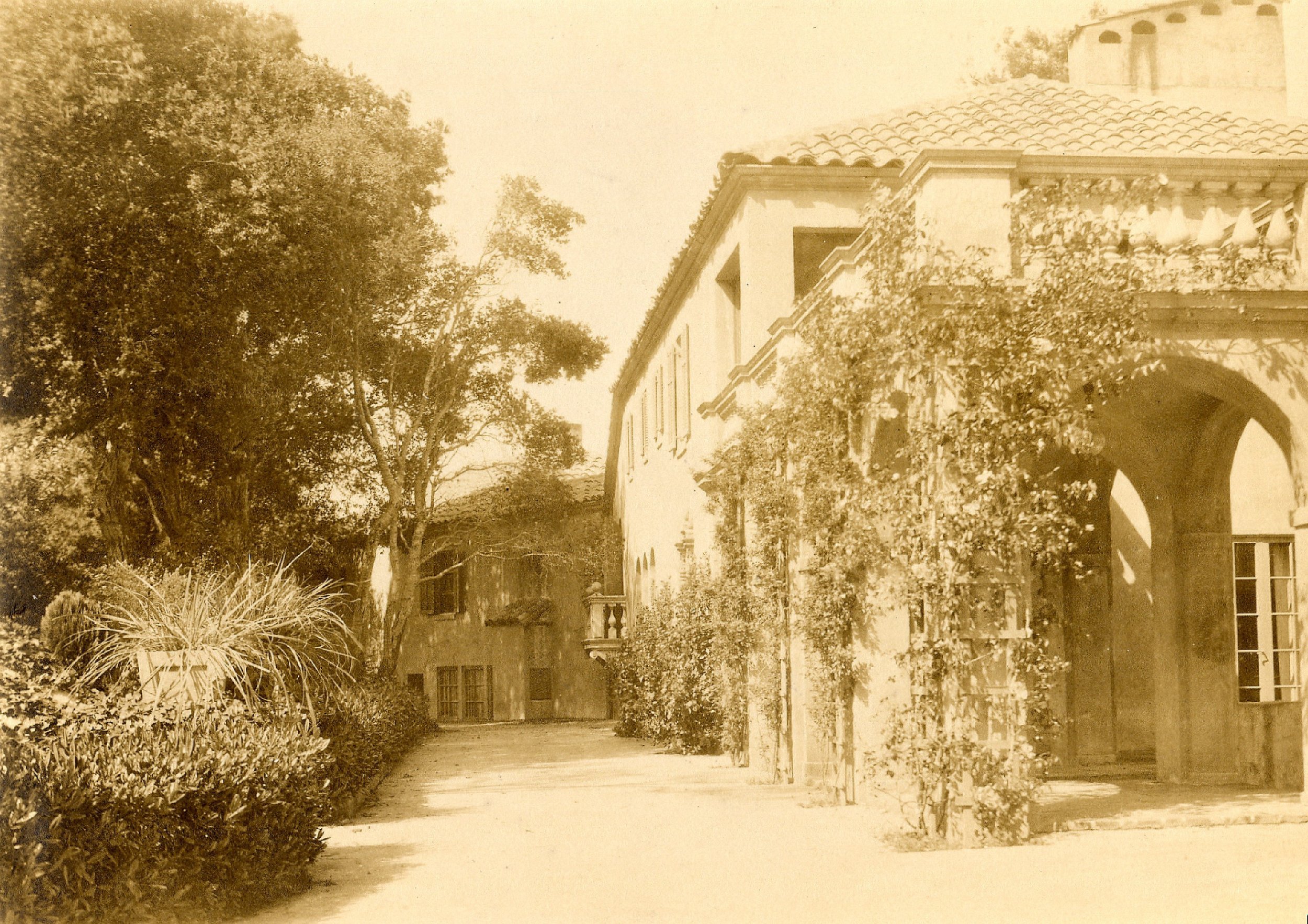
2000 Wharf Road, Capitola, CA 1921 Henry (Allen) Rispin and his wife, Annette, were part of a syndicate investing in the purchase of Capitola from the heirs of the resort’s originator, Frederick Hihn, in 1919. The goal of Rispin’s Capitola Company had been to improve the seaside resort, profiting through real estate sales in expanding subdivisions. The plans fell short, and by the end of the 1920s, Rispin was financially overextended. In a 1929 auction, the mansion’s ownership and other Capitola holdings were transferred to another syndicate investor, Robert Hays Smith. After Smith himself suffered bankruptcy in 1936, the residence stood empty five years until it was sold for use by the Poor Clares, a cloistered order of nuns. Several residential development proposals were considered by the city once the nuns were relocated to Aptos in 1959. Community groups seeking to preserve the mansion successfully lobbied for the city’s purchase in 1985. Frequent vandalism remained a problem until May 2009, when Capitola City Council approved a $14 million, 25-room boutique hotel for the site. Coincidentally, the mansion was largely destroyed in a fire later that year. All development plans ended, but the building itself was spared. The structure was stabilized and plans were drawn in 2014 for the Park at the Rispin project. Restoration and expansion plans are on-going for the Park at Rispin Mansion, now open 6 a.m. to sunset at 2000 Wharf Road in Capitola.