Historic Preservation in Santa Cruz County
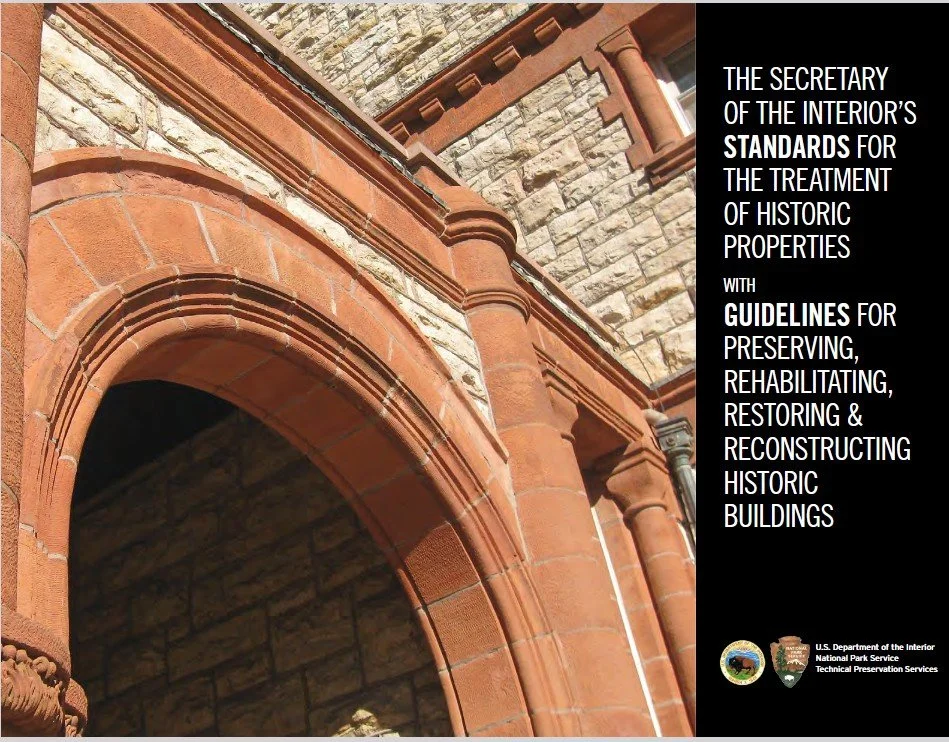
The Secretary of the Interior's Standards for the Treatment of Historic Properties
Using the Standards and Guidelines for Preservation, Rehabilitation, Restoration & Reconstruction
The Secretary of the Interior’s Standards provide practical guidance for planning work on historic buildings. The Standards help owners, architects, contractors, and preservation professionals make appropriate decisions before work begins. It’s best to involve a preservation professional early in the process
The planning department in any of the municipalities (Santa Cruz, Capitola, or Watsonville) should be able to assist building owners in navigating the particular requirements for any project associated with a historic or potentially historic building.
The Standards provide guidelines for the following:
Click on the headings above to go to the particular page.
Explore the history of your home
Learn how to research the history of your house or building.
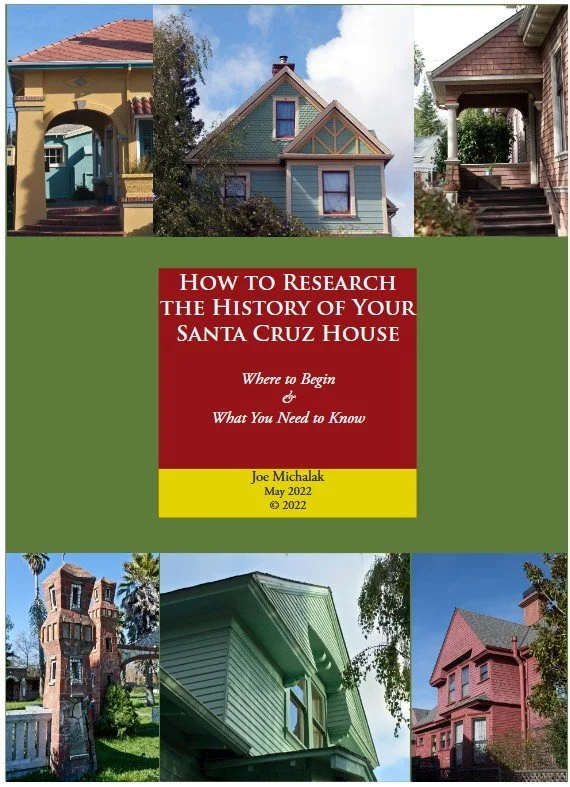
How to Research the History of Santa Cruz House by Joe Michalak
Researching a house’s history used to be difficult and time-consuming, requiring people to search through public records, old newspapers, and city directories. Today, many of these records have been digitized and can be found online from home. Census, immigration, birth, death, and marriage records are often just a few keystrokes away. This document can show you how to research your historic building.
https://www.santacruzpl.org/files/subject_guides/2022-Michalak-HouseHistory-rev3May22.pdf
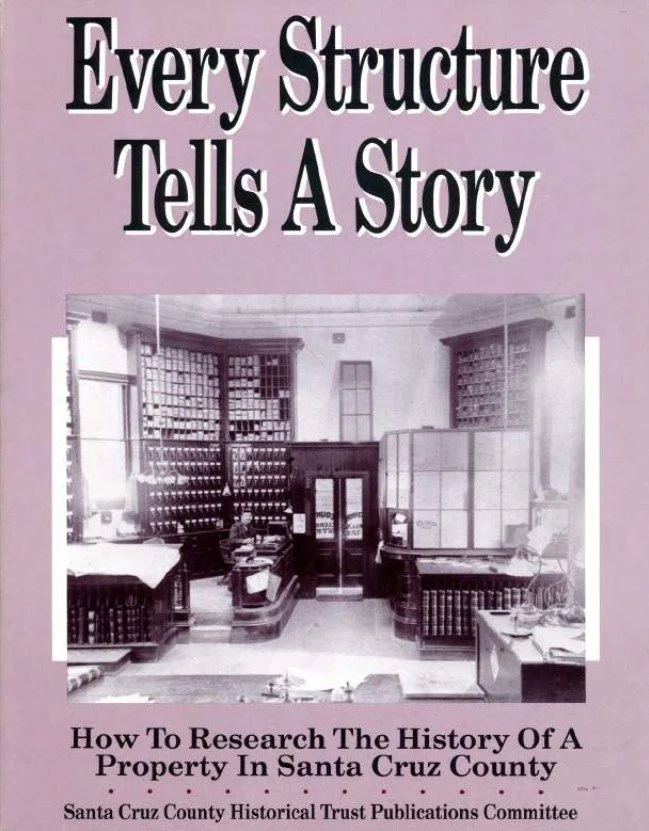
Every Structure Tells a Story -Santa Cruz County Historical Trust Publications Committee
Written in 1990, this “How To" guide is intended to provide information that can help you discover the history of property ownership in Santa Cruz County.
https://santacruzmah-craftcms.s3-us-west-1.amazonaws.com/uploads/EveryStructureTellsAStory.pdf
Preservation Resources for Homeowners
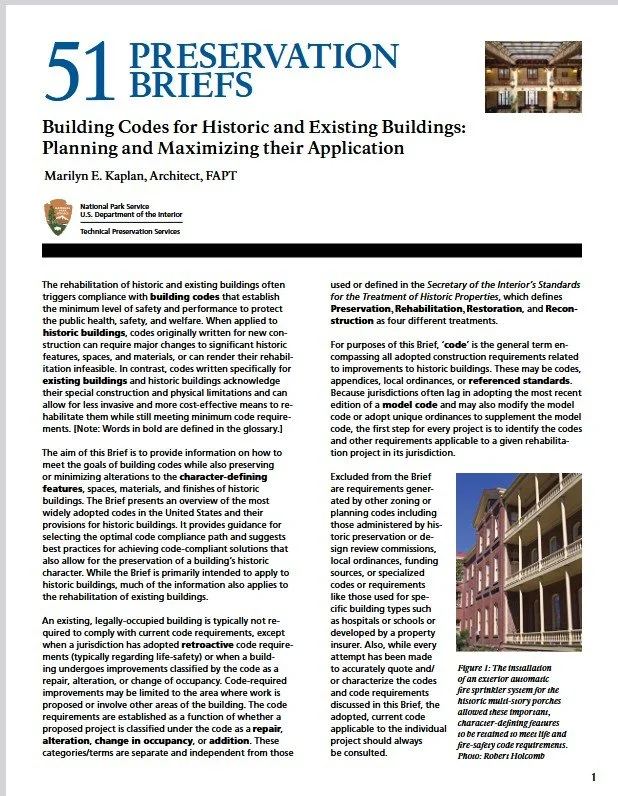
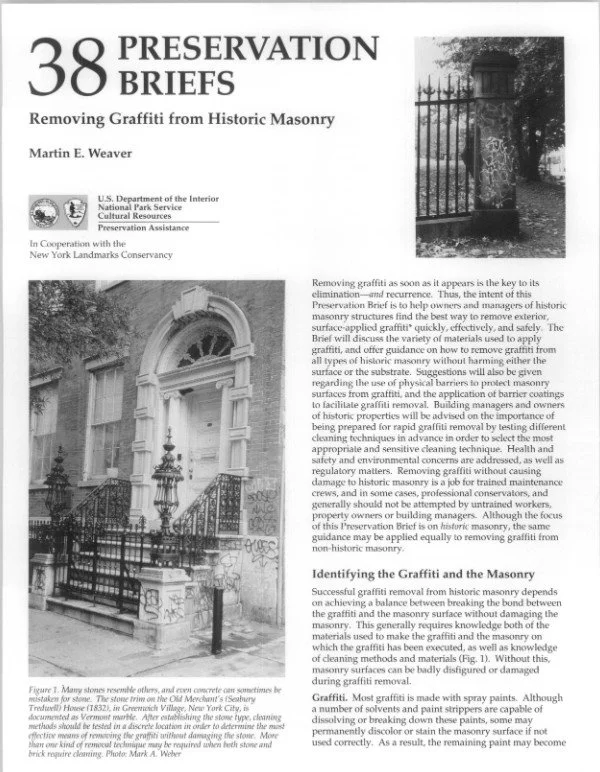
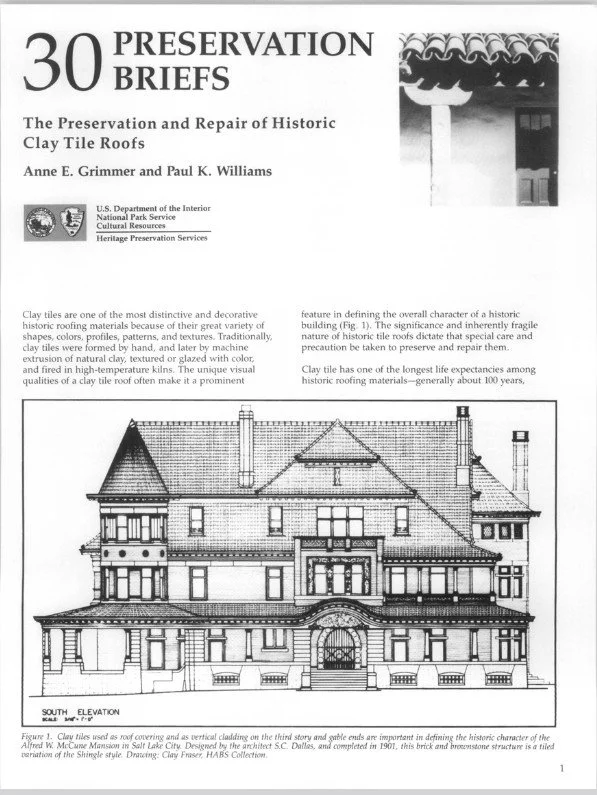
The NPS Preservation Briefs are practical guides from the National Park Service that help owners of historic buildings make informed decisions about repairing, maintaining, and preserving older buildings.
They Preservation Briefs explain things like:
How to repair historic materials—such as wood, masonry, windows, and roofs—without unnecessarily replacing them.
How to make improvements while preserving the building’s historic character.
What common problems to watch for and how to address them.
How different preservation approaches and materials work.
Why repairing existing historic features is often preferable to replacing them.
These Preservation Briefs are a how-to resource for caring for historic properties, especially when an owner wants to update or repair a building without losing what makes it historically significant
Do you own a historic building and want to make upgrades but maintain the historic fabric of the building and meet guidelines established by the local Santa Cruz City or County preservation commission? Check out the NPS Preservation Briefs page: https://www.nps.gov/orgs/1739/preservation-briefs.htm
City of Santa Cruz -Historic Preservation
The City of Santa Cruz Preservation program started in the early 1970s. Volume 1 of the Historic Building Survey was completed in 1976. Volume II was completed in 1989 and Volume III was completed in 2013. These three volumes serve to identify historic buildings in Santa Cruz.
Historic Property Review:
City Planning staff reviews properties that have proposed significant alterations, demolition, or redevelopment of properties or structures that are over 50 years old and are not listed in the City's Historic Building Survey. As new proposals are submitted to the City's Planning & Community Development department, the review of those properties over 50 are publicly posted
Historic Districts in City of Santa Cruz:
If a building is identified as a historic resource and plans for development, major alterations or demolition are presented, the project must be approved by the Historic Preservation Commission. The Historic Preservation Commission meetings are scheduled for the third Wednesdays of each month in-person at the City Hall at Council Chambers at 7pm.
Historic Preservation Commission
City of Capitola
The City of Capitola maintains a Historic Structures List and completed an architectural survey in 1986.
https://www.cityofcapitola.gov/DocumentCenter/View/1923/Capitola-Historic-Structures-List
https://www.cityofcapitola.gov/DocumentCenter/View/1921/Capitola-Architectural-Survey
A historic context statement was completed in 2004:
https://www.cityofcapitola.gov/DocumentCenter/View/1920/Capitola-Historic-Context-Statement
The main page for historic preservation in Capitola is linked here;
County of Santa Cruz Historic Resources
County of Santa Cruz has a list of designated historic resources which can be viewed here:
The County has also recently approved a new incentive program called the Mills Act. The Mills Act is an incentive program offering a reduction in property taxes for owners of "qualified historical properties" who pledge to preserve, restore, rehabilitate, and maintain the historical and architectural character of their properties consistent with the Secretary of the Interior’s Standards for the Treatment of Historic Properties. The Mills Act furthers the County's General Plan goals of restoring and enhancing historic resources. The resulting effects are the promotion of heritage tourism, visual enrichment of our experience of urban and rural landscapes, and a fostering of pride in ownership.
https://cdi.santacruzcountyca.gov/Planning/PolicyPlanning/HistoricResources/MillsActProgram.aspx
The County of Santa Cruz has recently updated the historic context statement:
The Historic Resources Commission meets three times a year. The next meeting for 2026 is scheduled for September 14th, 2026. Update information is located at this link: https://cdi.santacruzcountyca.gov/Planning/PolicyPlanning/HistoricResources/HistoricResourcesCommission.aspx
City of Watsonville
The City of Watsonville appears to only have a Community Development department although historic preservation work may be administered through that department.
https://www.watsonville.gov/2328/Community-Development
The City of Watsonville has a context statement which was completed in 2007: